Heat Rejection Is the Number That Matters
Two films can look identically dark and perform completely differently in terms of heat rejection. This is the spec worth asking about directly, rather than judging a film purely by how dark it looks on the glass.
Ceramic Film Is the Stronger Option for This Climate
For heat-heavy markets specifically, ceramic film's performance advantage over dyed film is more noticeable day to day than it would be in a milder climate — the difference shows up every time you get into the car after it's been parked in the sun.
Don’t Ignore the Windscreen
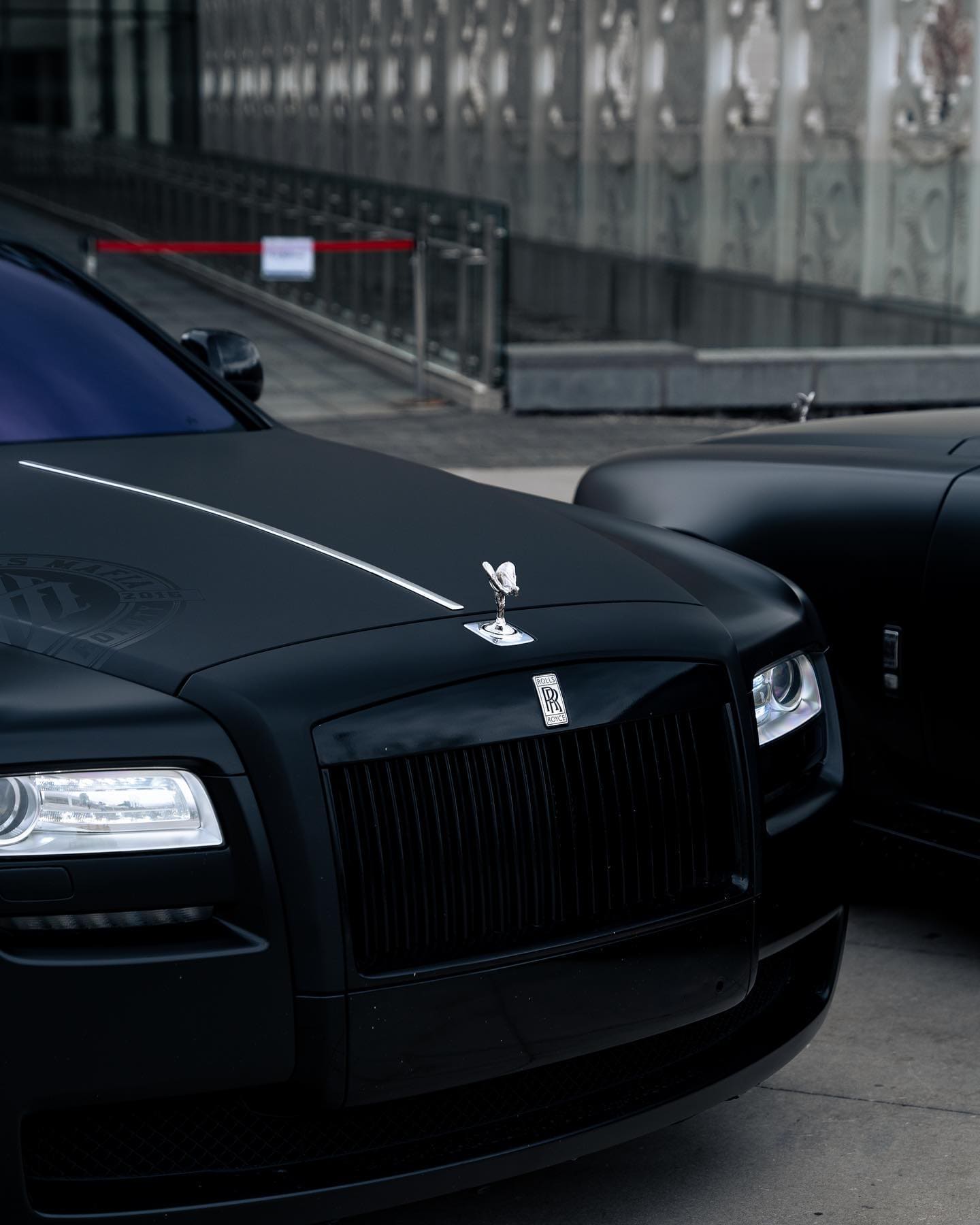
A significant amount of solar heat enters through the windscreen, and lighter, UV-rejecting films designed specifically for windscreens can meaningfully reduce cabin heat without the visibility concerns of darker film in that position.
Balance Darkness With Legal Limits and Night Visibility
The darkest legally available option isn't automatically the best choice — very dark film can reduce visibility at night, which matters for safety. We'll help you find the balance between heat rejection, privacy and practical visibility.
What This Means in Dubai
Given how much time cars spend parked in direct, unshaded sun here, cabin heat buildup is a real daily issue, not a minor inconvenience — choosing film based on actual heat-rejection performance, not just appearance, makes a genuine difference to comfort.
Why Installation Quality Matters
Even the best-performing film underperforms if it’s installed with trapped dust or air bubbles, since those create visible imperfections and can affect the film’s bond and lifespan. Choosing the right film and having it installed properly go together.
Based in or around Palm Jumeirah? See how Wraptors serves Palm Jumeirah directly.