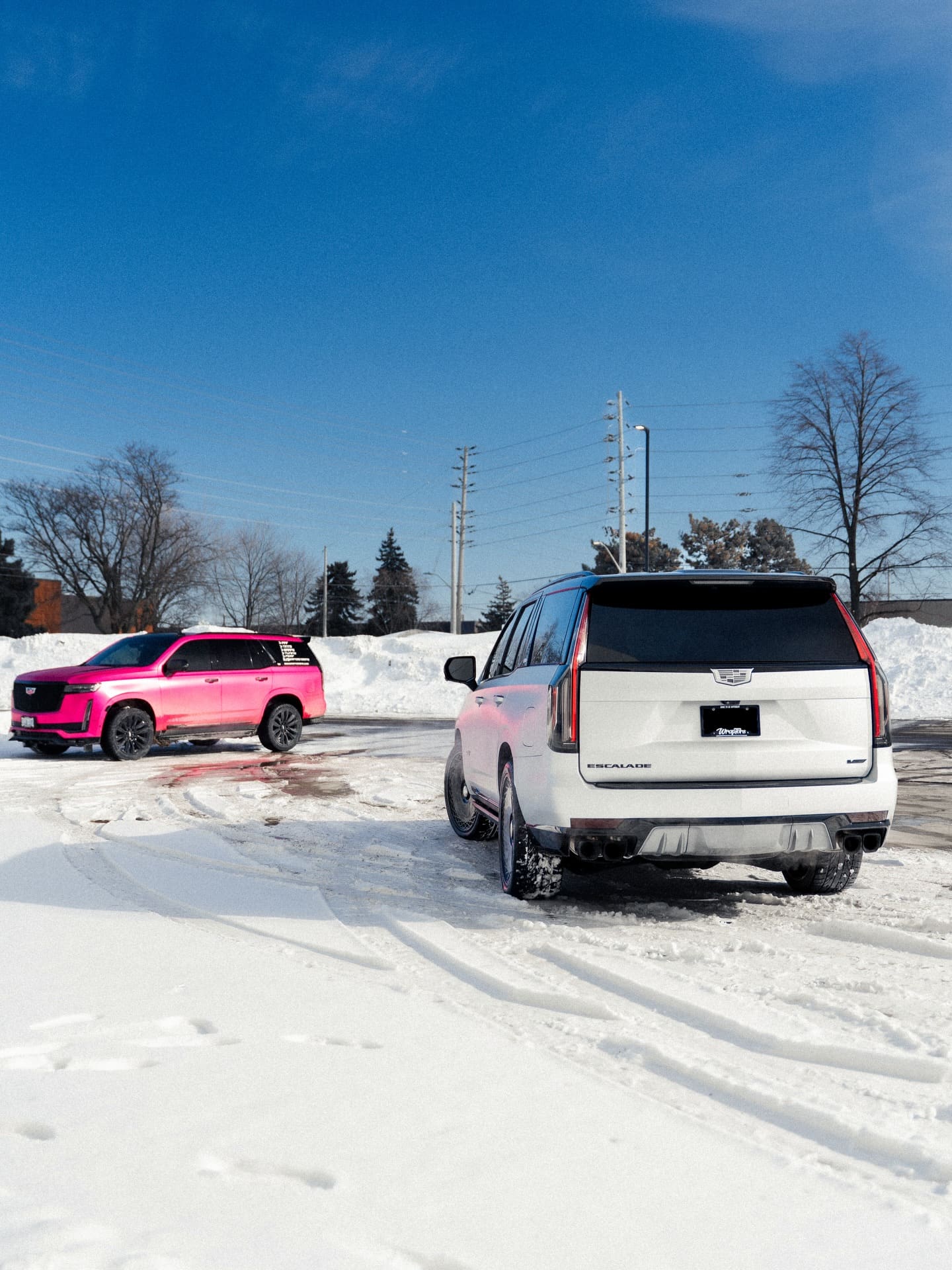
Start With the Goal, Not the Film
If the goal is a dramatic or unusual look, the answer tends to point one way. If the goal is protecting a car you plan to keep for years, it tends to point the other. Working from the actual goal first makes the rest of the decision much simpler than comparing thickness and price in isolation.
If a Distinct Finish Is the Priority
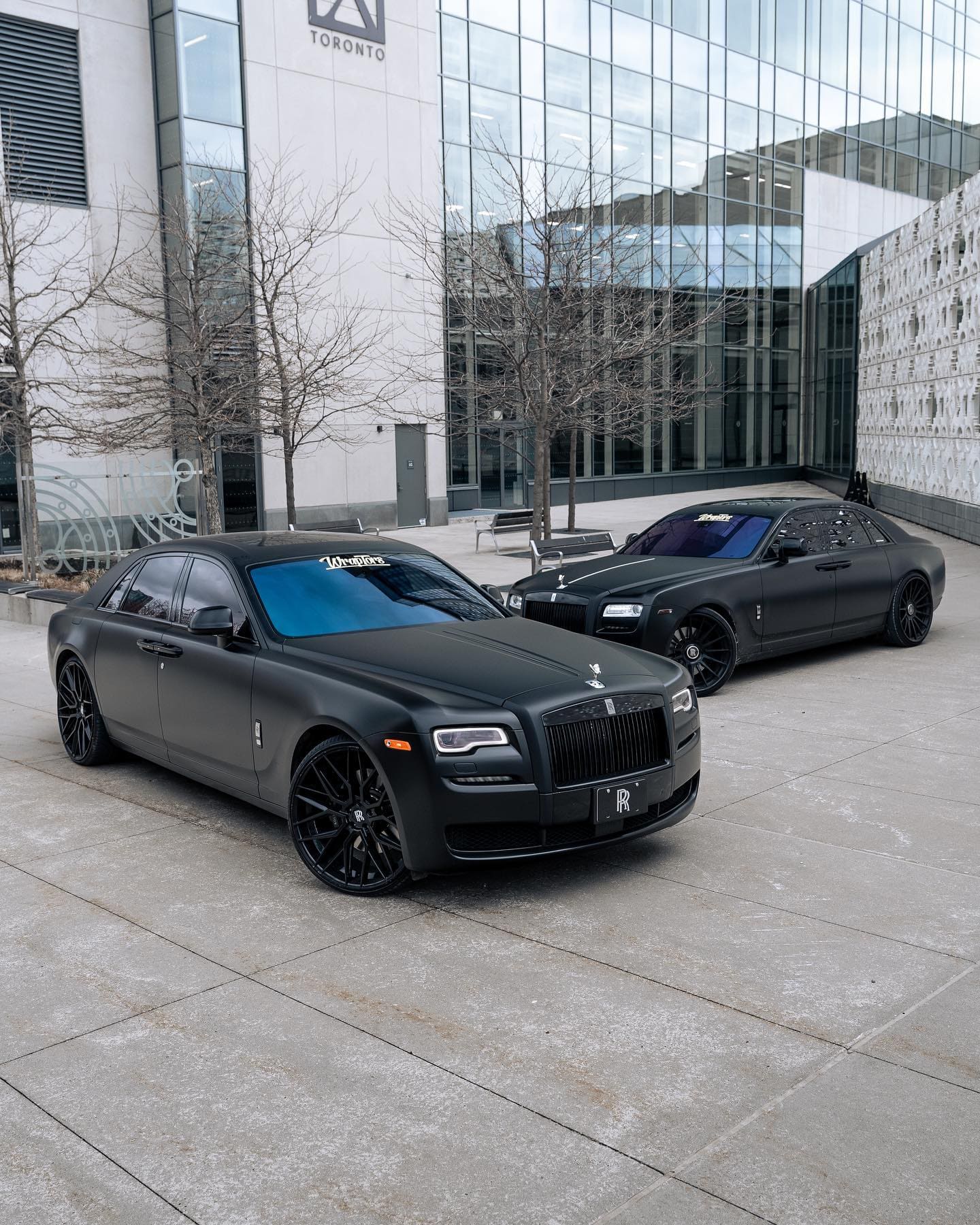
Vinyl has the wider range by a large margin. Matte, satin, chrome, colour shift, textured and metallic finishes are all available, and many of them cannot be replicated with a colour PPF at all. Colour PPF is available in a narrower set of finishes, generally gloss and satin, so if the appeal is a finish that reads as clearly different from paint, vinyl is usually the more direct route.
If Protecting What Is Underneath Is the Priority
Colour PPF is a thicker film built primarily as protection, with the colour as part of that same layer, and its self healing top coat handles light scuffs and swirl marks the way clear PPF does. Vinyl offers some incidental protection against UV and minor scuffs simply by sitting on top of the paint, but that is a side effect of its purpose rather than the point of it.
If You Want a Colour Change That Reads as Paint
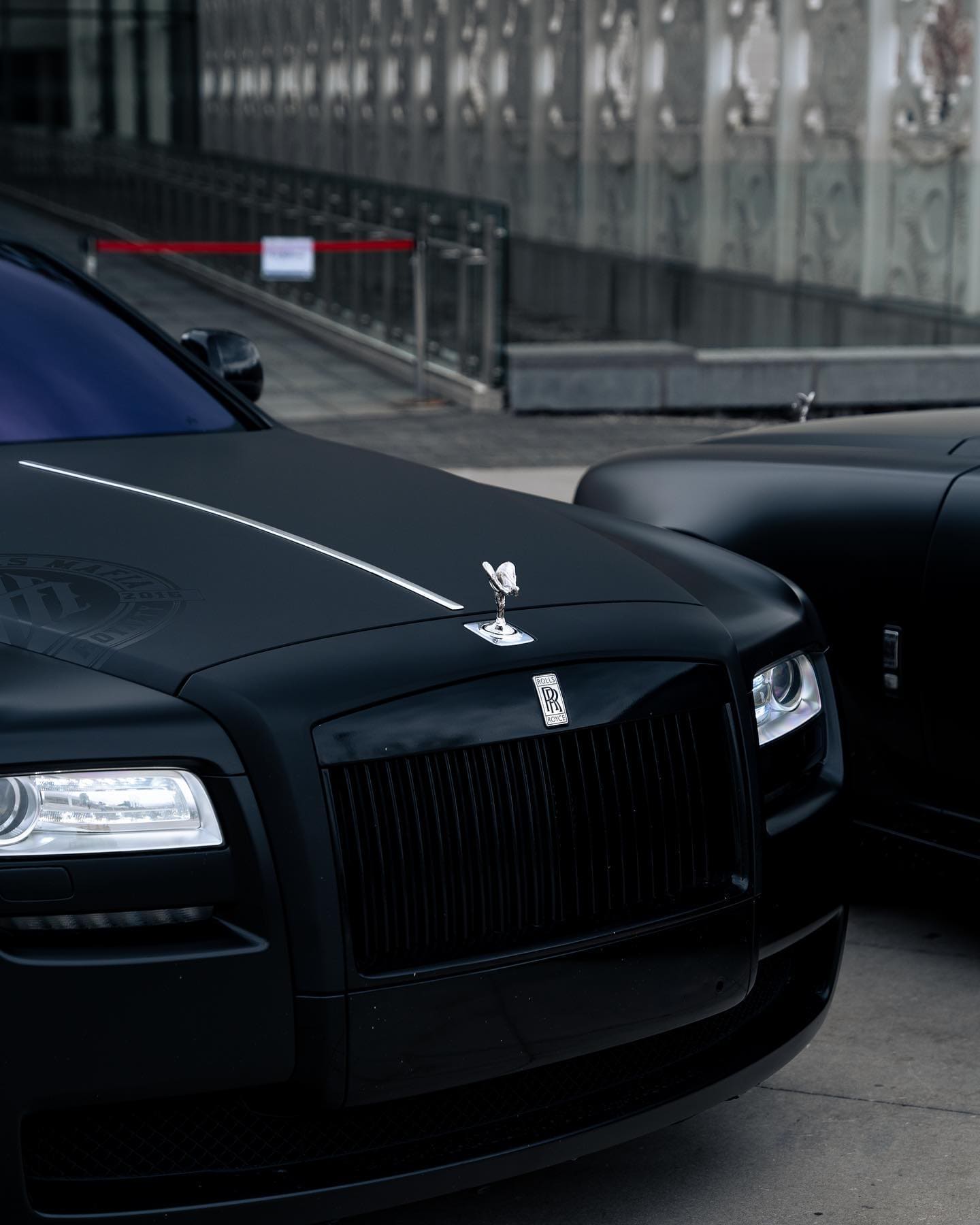
Colour PPF bonds closer to the body and tends to produce a smoother, glass like finish with less visible orange peel than most vinyl. For owners who want a genuinely different colour without it looking like a wrap up close, that finish quality is often the deciding factor.
Budget and Vehicle Type Both Push the Decision
Vinyl is generally the more accessible option across a wider range of price points, and it suits a colour you might want to change again in a few years. Colour PPF tends to make more sense on a higher value car that is being kept long term, where the added protection over daily driving or highway use justifies the investment on top of the colour change itself.
Based in or around Palm Jumeirah? See how Wraptors serves Palm Jumeirah directly.