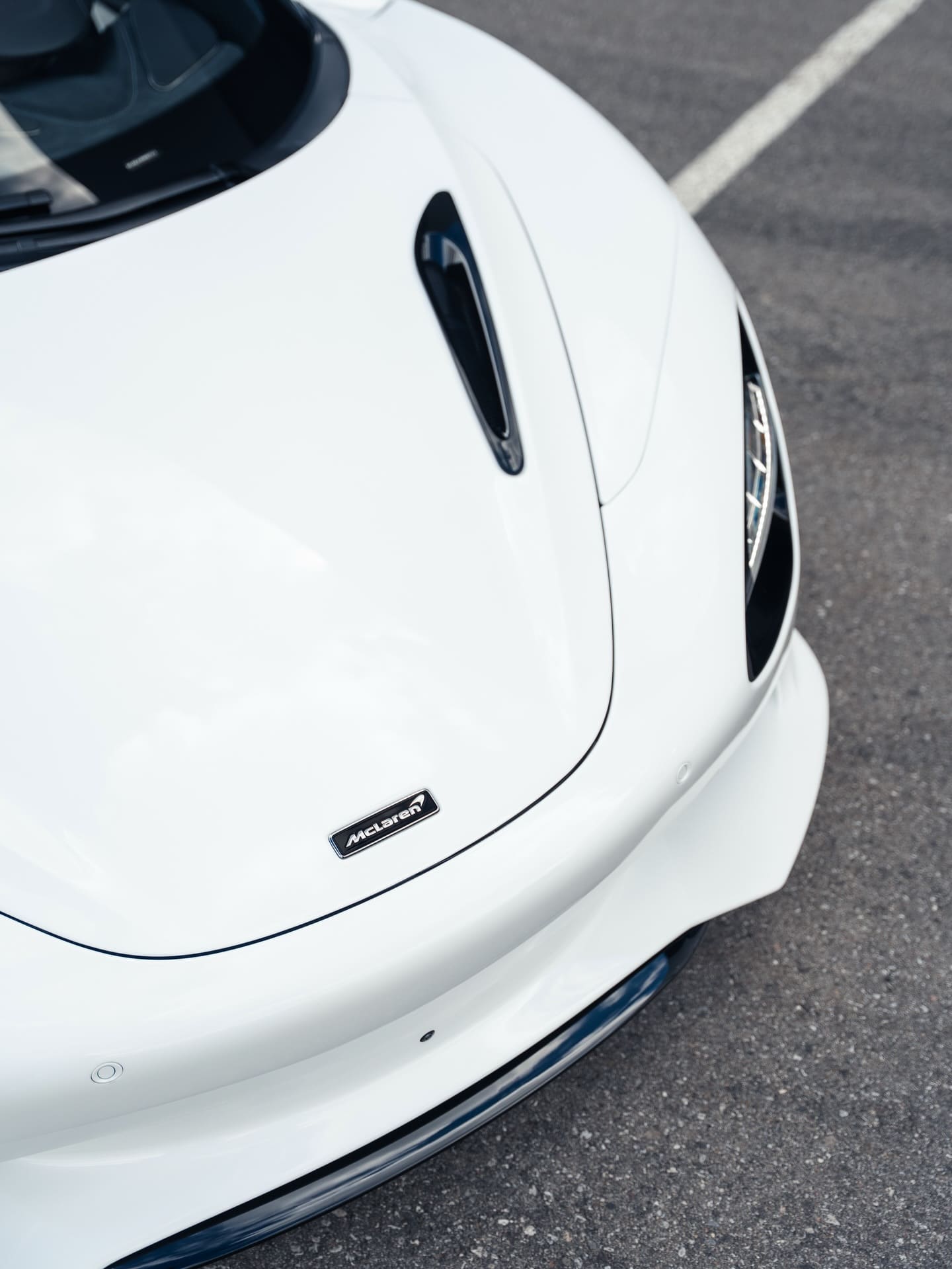
What Determines PPF Lifespan
Film quality is the starting point — premium PPF is engineered with better UV resistance and self-healing properties than budget alternatives. Installation quality matters just as much: properly sealed edges and correctly prepped panels prevent the early lifting and yellowing that shortens a film's usable life.
Signs PPF Needs Attention
Yellowing, edges lifting away from the panel, and a loss of the self-healing effect (light scratches no longer disappearing with heat) are the main signs a film is nearing the end of its useful life.
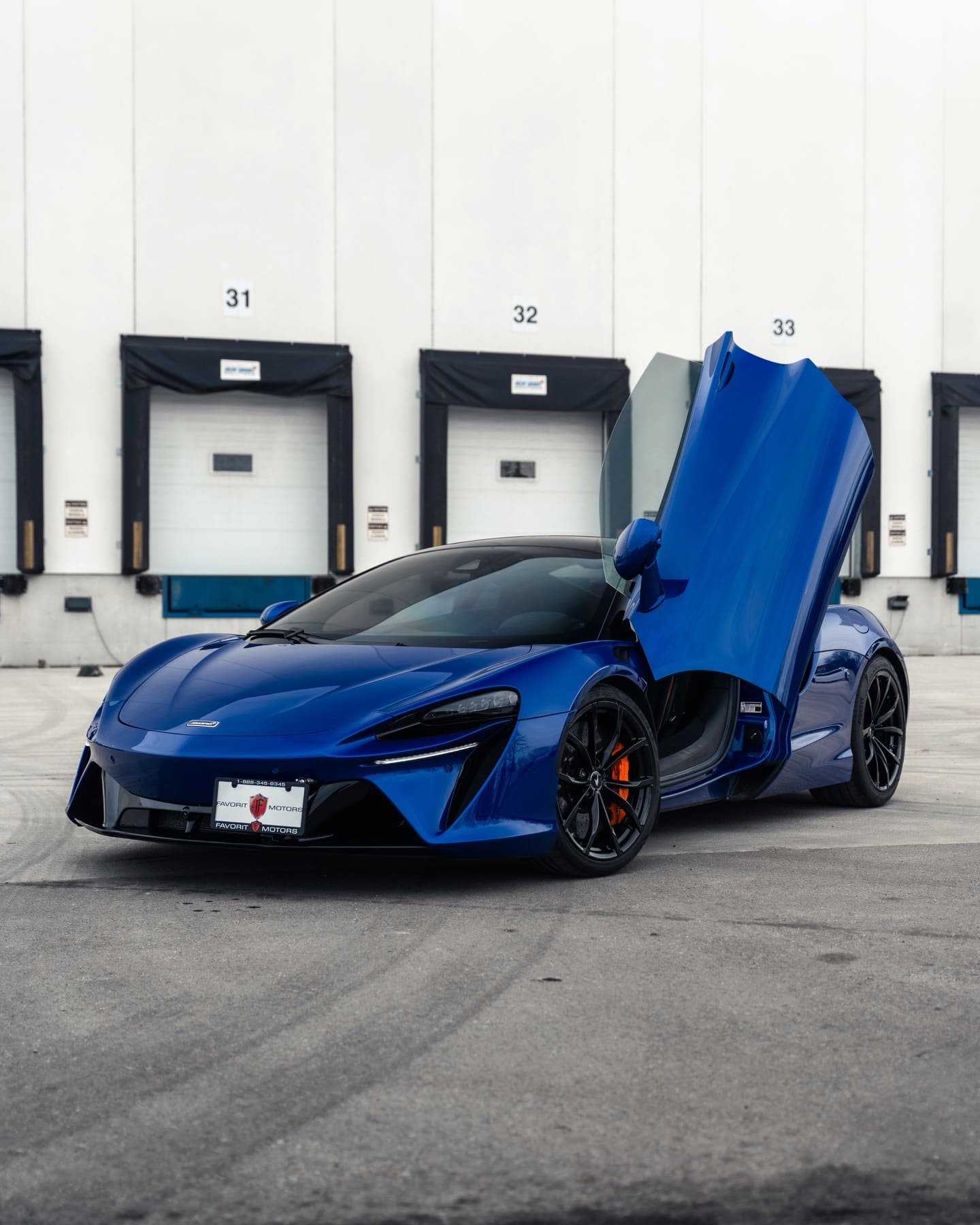
Maintenance That Extends Life
Regular washing, avoiding harsh chemical cleaners, and addressing any lifting or damage early rather than leaving it all extend how long PPF performs well. Most maintenance is genuinely simple — consistency matters more than intensity.
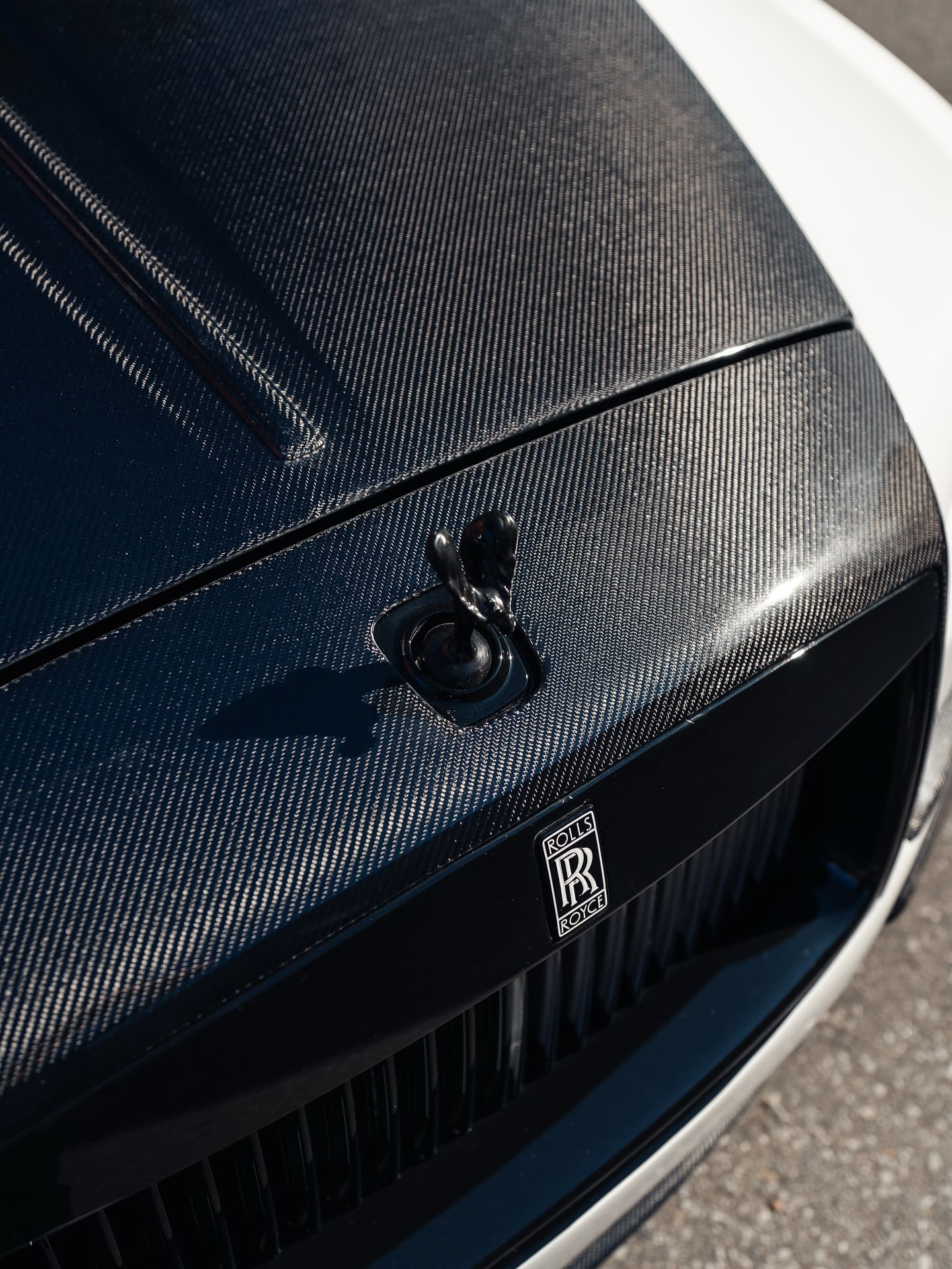
What This Means in Dubai
Sustained heat and UV are the primary factors that can shorten PPF lifespan here compared to milder climates, particularly on the most sun-exposed panels — bonnet, roof and boot. This is exactly why film selection and correct installation technique matter more in this market than in a market where the film sees a fraction of the annual UV exposure.
Why Installation Quality Matters
Most premature PPF failures — lifting, bubbling, visible edges — trace back to installation rather than the film itself. Correct panel prep, precise cutting and proper edge-sealing all directly affect how long the film performs as intended.
Getting the Most From Your PPF
Choosing a quality film, having it installed properly, and keeping up with simple maintenance are the three factors within your control — and together they make the biggest difference in how long PPF actually lasts.
Based in or around Dubai? See how Wraptors serves Dubai directly.
Related at Wraptors Dubai: Ceramic Coating, Porsche PPF, Lamborghini Urus PPF.
Common Questions
It depends on the wear pattern — some owners replace just the highest-wear panels (like the bonnet and mirrors) if the rest of the film is still performing well, rather than the entire vehicle.
Significant yellowing typically means the film needs replacing rather than restoring, since the discolouration is within the film itself.
Regular gentle washing is actually better for PPF than letting contaminants sit on the surface for long periods, so a consistent wash routine helps rather than hurts.
Self-healing properties can diminish as film ages, particularly with prolonged UV exposure — this is one of the signs that a film may be approaching the end of its useful life.