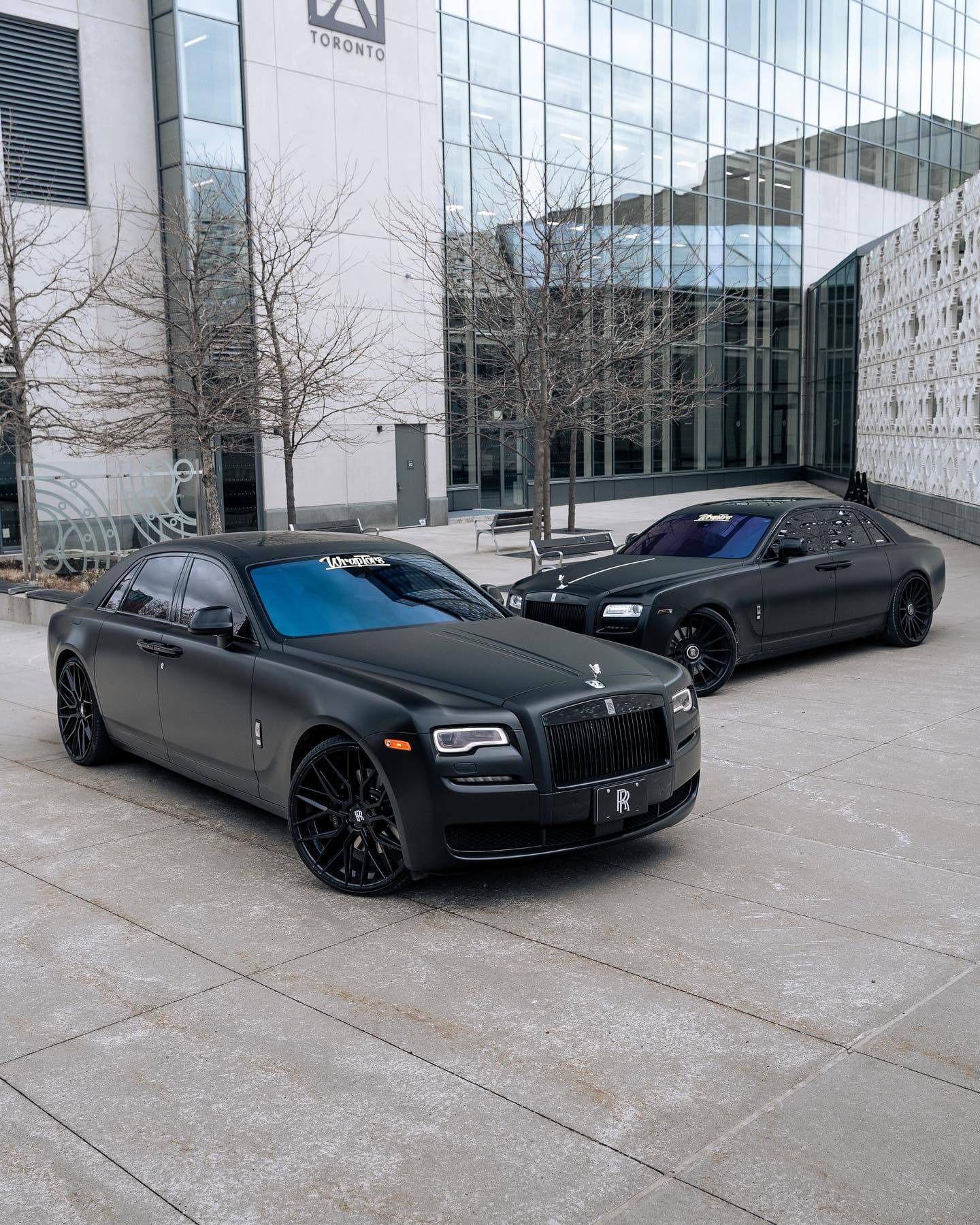
What Regular (Dyed) Tint Is
Dyed window film uses a layer of dye to darken the glass and reduce glare and visible light. It’s generally the more affordable option and reduces some heat, but its heat-rejection performance is limited compared to ceramic film.
What Ceramic Tint Is
Ceramic film uses ceramic particles rather than dye to achieve its tint and performance properties. It offers significantly better heat rejection at a similar visible darkness, tends to have better clarity, and — unlike older metallic films — doesn't interfere with phone signal, GPS or radio reception.
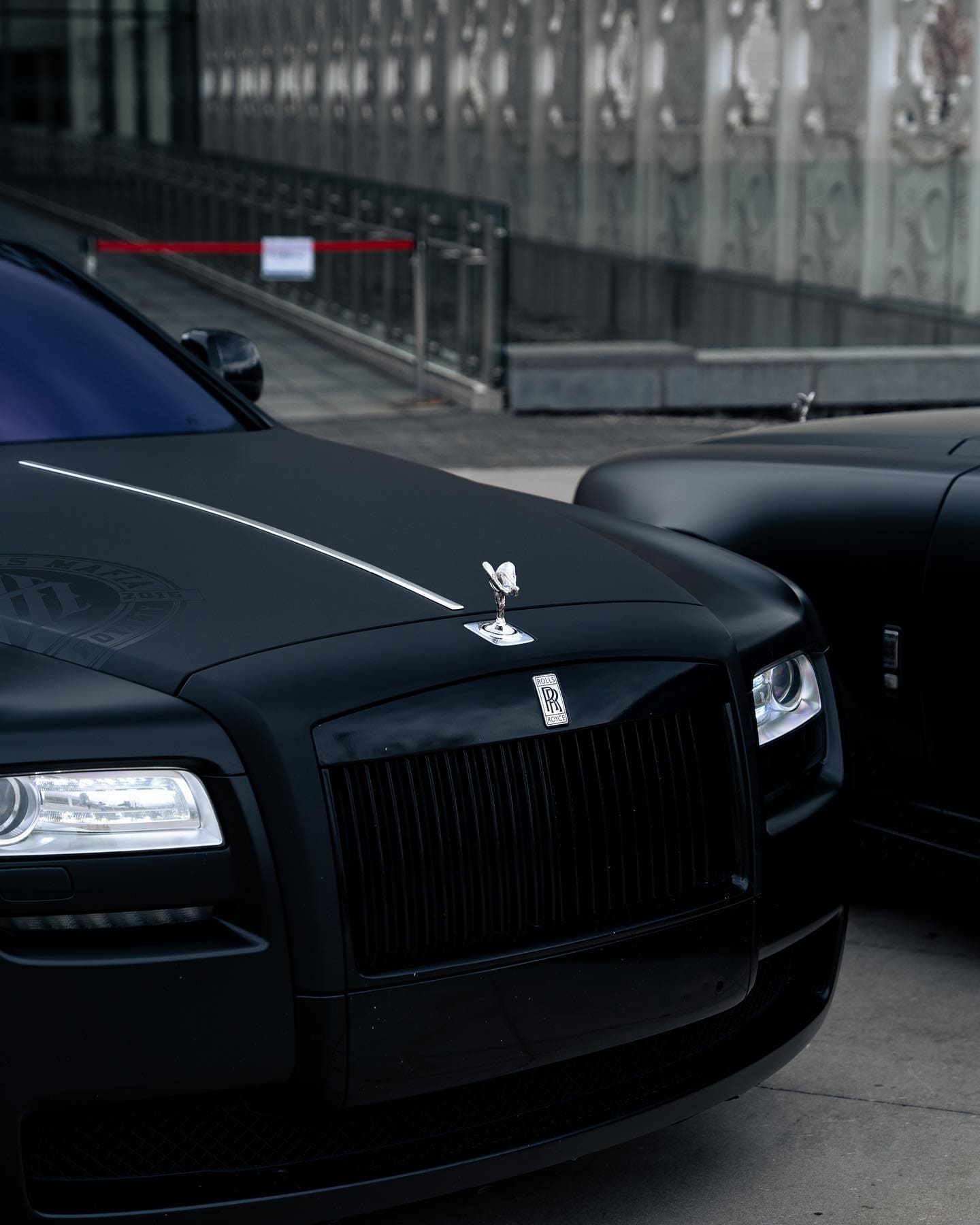
Performance Differences That Matter
For a comparable level of visible darkness, ceramic film generally blocks meaningfully more heat and UV than dyed film. Dyed film can also fade or shift colour (sometimes going purple) over years of sun exposure, while ceramic film tends to hold its performance and appearance longer.
Which One Fits Your Budget and Priorities
If budget is the primary driver and you want a darker look with some heat reduction, dyed film covers that. If heat rejection, longevity and clarity are the priority, ceramic is the stronger long-term choice, even at a higher upfront cost.
What This Means in Dubai
Given how much heat rejection actually matters here, ceramic film's performance advantage is more noticeable in Dubai than it might be in a cooler climate — the difference between the two films shows up daily, not just occasionally.
Why Installation Quality Matters
Both film types depend on clean, bubble-free installation to perform and look right. Ceramic film in particular is worth pairing with careful installation, since it’s a bigger investment and deserves a finish that matches the film quality.
Based in or around Dubai Marina? See how Wraptors serves Dubai Marina directly.
Common Questions
Not necessarily — both come in a range of shades. The difference is in performance (heat rejection, clarity, longevity) at a comparable darkness, not the darkness itself.
It can, particularly with prolonged sun exposure over several years — ceramic film generally holds its colour and performance more consistently over time.
No — ceramic film doesn’t contain metal, so it doesn’t cause the signal interference that older metallic tint films sometimes did.
For most owners driving regularly in Dubai’s heat, the improved heat rejection and longevity make ceramic tint a worthwhile upgrade over standard dyed film.